A country show is one of the best days out in Suffolk, and your first one can also be the most confusing. You park in a field the size of a small village, find three different queues, and realise you have no idea when the heavy horses are on. None of it is hard once you know how the day works. Here is what to sort before you go — and what to put in the car.
The big ones, like the Suffolk Show at Trinity Park, run to a pattern. So do the smaller shows around Hadleigh, Framlingham and the villages, and the ploughing matches that appear on gateposts each autumn. The details change; the practicalities barely do.
Buy your tickets before the week of the show
Almost every Suffolk show sells tickets more cheaply in advance, and a few now ask you to buy online rather than turn up at the gate. Check the show's own website a fortnight ahead, not a Facebook post from last year, because gate times, ticket types and entry arrangements do change.
Worth checking while you are there:
- What a family ticket actually covers. Some are two adults and two children, some are one adult and three, and the difference matters if you are going as a group.
- Whether young children need a ticket at all, and whether you still have to queue for a wristband at the gate.
- Concession rules. Many shows ask for proof of age or student status, and a photograph of your bus pass is not always accepted.
- Whether the car park is included or charged separately, and whether it takes card.
Then screenshot your tickets. Signal on a showground is patchy at best, and a screenshot in your photos app opens without a connection. If you are going with friends, one person should buy the whole order so you arrive on a single booking.
Parking, gates and the morning rush
Parking at these events is almost always on grass, directed by marshals in high-vis. Follow the signed route rather than the satnav. Postcodes for showgrounds often drop you at a farm entrance or a lane that is closed to the public on the day, and you will spend twenty minutes being waved back the way you came.
Aim to arrive in the first hour after gates open if you want a short walk to the entrance. The busy window is mid-morning through to about one o'clock, when the queue of cars at the gate can stretch back down the road. Early also means cooler air and quieter food stalls.
Two small habits save a lot of hassle. Photograph the row marker or the nearest landmark where you parked, and note the gate number you came in through. Showgrounds look identical from every angle by four o'clock.
Leaving is the other pinch point. The last hour after the main ring finishes is the slowest of the day. Either head off half an hour before the gates close, or accept the queue and turn it into a picnic by the car. Fighting it tends to add stress to an otherwise good day.
What to actually bring
Pack for a long walk in changeable weather, not a trip to the shops. A sensible bag looks roughly like this:
- Tickets, screenshotted, plus ID if you booked a concession
- Cash in small notes and coins — plenty of stalls are card-only, plenty are cash-only, and the signal can fail either way
- Water bottles; most shows have refill points near the toilets
- Sunscreen and hats. Showgrounds are wide open with very little shade
- A light waterproof and a bin bag or small mat to sit on if the grass is damp
- Fold-up chairs or a picnic blanket for the main ring
- Snacks for children, so lunch is not decided by whoever is hungriest
- Wet wipes and hand gel, especially if you plan to visit the livestock tents or the small animal enclosure
- A spare pair of socks and shoes for younger children
- A phone battery pack, and any medication you might need during the day
- A reusable bag for the chutney, plants and leaflets that follow you home
A compact pushchair works far better than a large travel system. Trade stands and food halls get tight, and you will be lifting it over cables and straw more than once.
What to wear matters more than you think
Footwear decides how much you enjoy the day. Even after a dry week, the walk from the car park and the ground around the livestock lines can be soft. Wellington boots or old trainers are the right answer; sandals and new white trainers are not. If rain is forecast, boots are not optional.
Dress in layers. A cool morning in a Suffolk field can turn into a warm afternoon, and there is rarely anywhere to shelter except the food hall. Nothing you are wearing should be something you would mind getting dusty — straw, animal bedding and diesel fumes all find their way onto clothes.
Dogs, children and meeting points
Many agricultural shows welcome dogs on leads, but almost all restrict them from food halls, livestock areas and the grandstand. Some are assistance dogs only. Check the show's rules before you set off, and never leave a dog in the car, even on a cloudy day.
For children, write your mobile number on a wristband or their forearm and agree a meeting point at the entrance, ideally next to something obvious like the main gate or the bandstand. Plenty of shows hand out free child wristbands at the gate — ask. If you are in a group, agree a rough time and place to regroup, or you will spend the afternoon texting.
Plan the day, but loosely
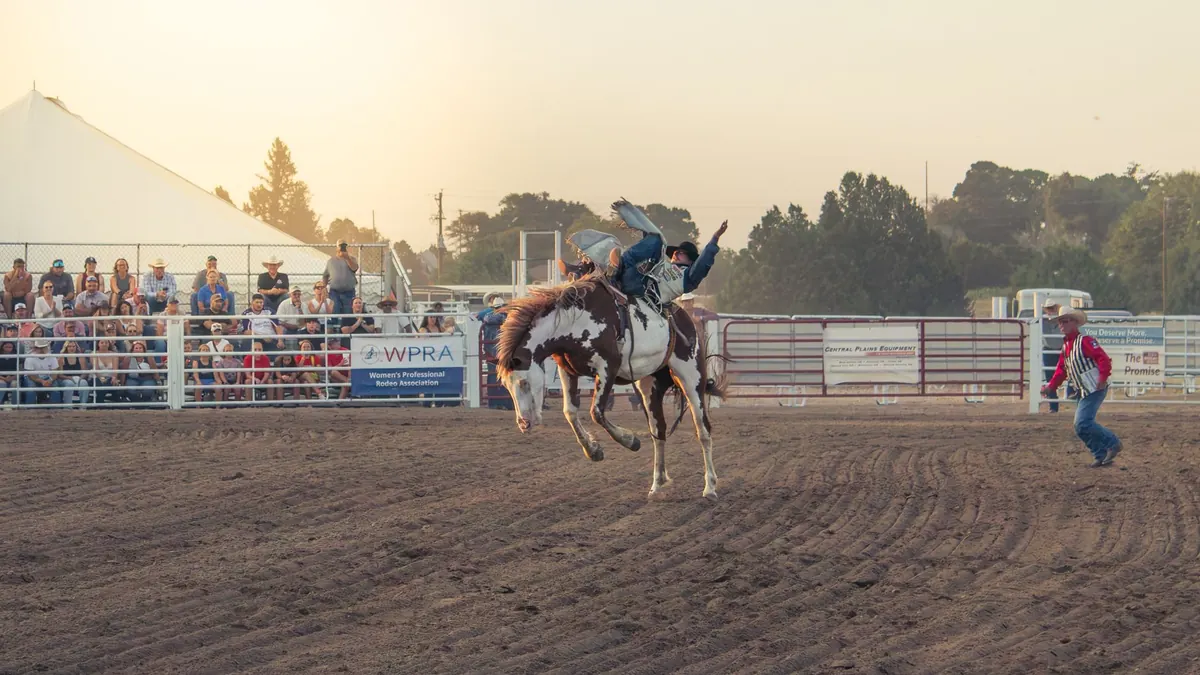
Pick up the show programme and circle three or four things you genuinely want to see. The main ring timetable is usually fixed, and the crowd builds fifteen minutes before each class, so arrive early with chairs if the heavy horses or the inter-hunt relay are on your list. Sheep shearing, falconry displays and cooking demonstrations run on their own schedules and are often quieter in the afternoon.
Eat early or late. Between about half twelve and a quarter to two, every food stand has its longest queue of the day. Buying lunch at quarter past eleven, or waiting until two, is the single easiest way to avoid standing in a line for forty minutes.
The five-minute check before you leave
Tickets screenshotted. Boots by the door. Water bottles filled and in the bag. Cash in the glove box. Sunscreen and waterproofs both packed, because Suffolk weather rarely commits to one. Chairs in the boot, dog arrangements confirmed, and a rough idea of the two or three things you most want to see.
Do that much, and the rest of the day looks after itself. You will still come home with straw in your socks and mud on the pushchair — that is part of it. Just not with a forgotten ticket, cold feet, or an hour of your afternoon spent in a car park queue.
Photo: Kaydin Echols / Pexels