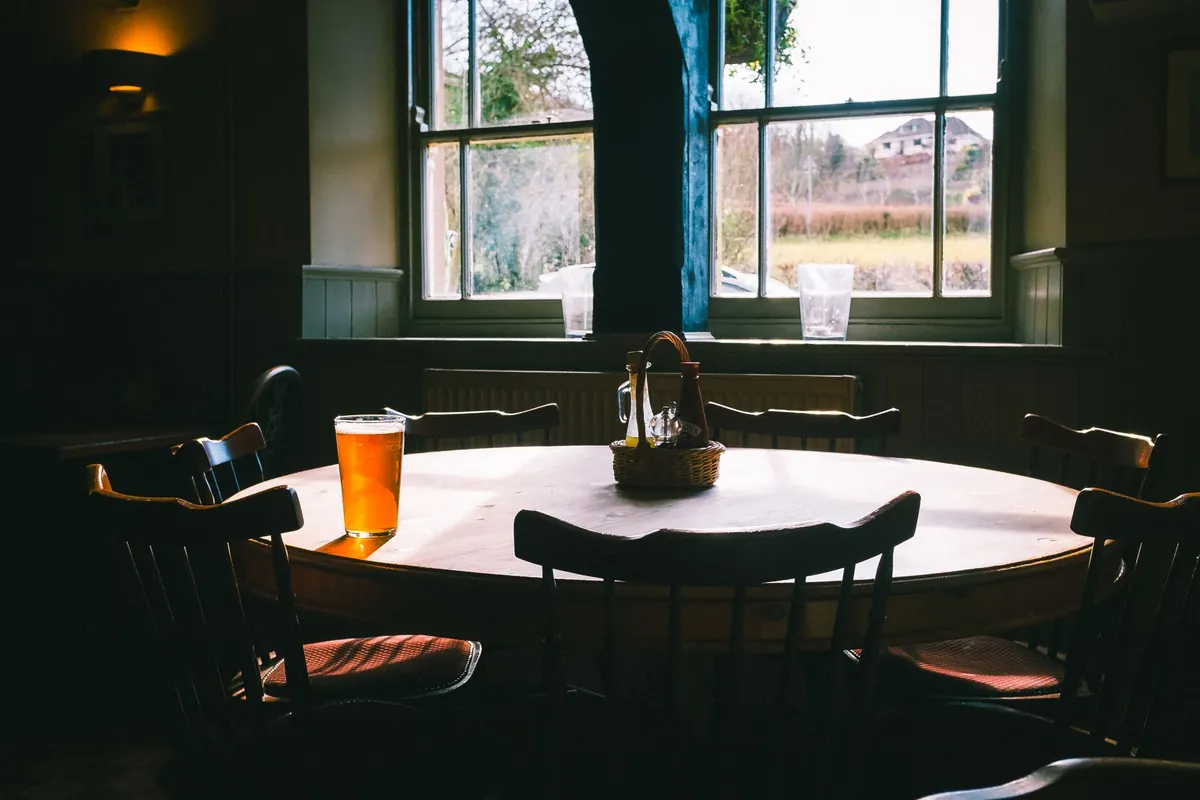
A Tuesday in February, half past eight, and the back room of a Suffolk pub is doing what it does every week: eight teams, one clipboard, and a bowl of chips somebody has already half-eaten. Between the second round and the interval, someone will say "I knew that" and everyone will ignore them. The pub quiz here is less a competition than a weekly appointment with the same dozen faces and the same quizmaster's puns. If you have just moved to the county, or lived here for years without ever walking up to the table, joining is easier than you think.
Where Suffolk quizzes actually happen
Start by lowering your expectations of glamour. The best quizzes in the county are usually in the least assuming rooms: the side bar of a market-town pub, a village hall with a stack of folding chairs, the function room at a cricket club. Bury St Edmunds, Ipswich, Stowmarket and Woodbridge have the widest choice simply because they have more pubs, but the villages are where the regulars are thickest on the ground.
Nights vary more than people expect. Village pubs often run on a Sunday or Monday, when there is nothing else on; town pubs lean towards Tuesday, Wednesday or Thursday. Some are weekly, some fortnightly, some monthly. Sports and social clubs, bowls clubs, village halls and Royal British Legion branches run their own versions too, and the crowd is much the same, just with cheaper drinks.
Finding a quiz this week
- The pub noticeboard. The laminated A4 sheet by the door is still the most reliable listing in the county.
- Ask at the bar, at the right time. A quiet Tuesday afternoon gets you a proper answer; 8pm on a Friday gets you a shrug.
- Local Facebook groups. Search your town name plus "pub quiz" and you will usually find a post from the last few weeks.
- Parish magazines and free papers. The newsletter that comes through the door carries listings that never make it online.
- Word of mouth. Whoever runs the school PTA or the junior football club knows every quiz within ten miles.
- The phone call. Ring ahead and ask the format: how many rounds, entry per person, cash or bar tab, and whether there is a limit on team size.
Turning up on your own
This is the part people dread, and it takes about four minutes. Arrive twenty minutes early, buy a drink, and stand at the bar rather than hovering by the door. When the quizmaster starts handing out sheets, ask the person behind the bar directly: "Any teams short of a player tonight?" Landlords love this question. They know exactly which table is missing someone because of a holiday, a shift or a newborn.
If the answer is no, sit at the bar with a pen visible. Quizzes have a way of absorbing latecomers. Two useful rules: never try to join a table mid-round, wait for the interval, and never assume a team wants a fifth person. Most settle at four to six, and adding a seventh changes the whole dynamic. Bringing your own pen sounds trivial. It is the easiest way to be welcomed back.
What a good team is actually made of
Successful teams are not the cleverest tables in the room. They are the best organised. A dependable line-up covers sport, film and television, music, and geography or history, with one reliable speller for the tie-break and one person who knows when to stop arguing. That last role matters more than people admit.
During the round, the good tables are quiet: one person writes, everyone whispers, answers go on the sheet rather than across the room. In the interval they become the loudest table in the pub. If your team is winning by a mile but nobody is talking, you have joined the wrong team.
The unspoken etiquette
Nobody hands you a rulebook, but every Suffolk quiz runs on the same unwritten code.
- Phones stay in pockets. Not face down on the table, away. Several quizmasters will dock points, and the room will notice.
- Never shout an answer across the pub, even if you are certain. It is the quickest way to sour a room.
- One sheet per team, one handwriting. Passing the pen around wastes the round.
- Query answers politely, and in the interval. "I think there might be two answers to that one" gets further than a loud objection.
- Buy a round in the break. If someone buys you a drink, buy one back next week.
- Stay to the end, even when you are twelve points down. Leaving early is remembered.
Every quizmaster says some version of the same thing: one sheet per team, answers in the interval, no shouting across the room. Take it literally.
Expect a Suffolk round
Local quizmasters cannot resist the county. You may get a round on village names and how they are said aloud, on the coast from Southwold down to Felixstowe, on breweries, on the A12 and A14, or on words you mostly hear here, such as "on the huh" for something crooked. These rounds reward people who have lived here longest, which is a good argument for recruiting a neighbour rather than another newcomer. Ask your team in the interval what the local round usually covers; the answer tells you a lot about how the quiz is set.
Your first quiz, step by step
- Pick a quiet weeknight at a village or small-town pub.
- Turn up twenty minutes early and buy a drink.
- Ask the bar staff if any team is short of a player.
- Say yes to a table of strangers. The quiz does the introductions for you.
- Keep your phone away, write clearly, and let other people answer the questions they know.
- In the break, buy a round and ask about the local round.
- Come back next week. That is the whole trick.
Nobody minds a newcomer. They mind a newcomer who shouts answers, checks a phone and never buys a drink. Get those three things right and by the third week you will have a regular seat, a name on the team sheet and a standing invitation to the Christmas quiz.
Photo: Chanita Sykes / Pexels