Moving to a new part of the country means relearning a handful of small routines, and bin day is the one that catches almost everyone out. Suffolk doesn't have a single, county-wide system. Which bin goes out, when, and what you're allowed to put in it depends entirely on where you live. Get it right and it's a two-minute job each week. Get it wrong and you'll be standing at the window watching the lorry turn the corner without you.
Who does what: two councils, two jobs
Suffolk works on two layers, and knowing which one to contact saves a lot of frustration.
Your district or borough council — Ipswich, Babergh, Mid Suffolk, East Suffolk or West Suffolk — collects your rubbish and recycling from the kerbside. They also handle missed bins, replacement bins, bulky waste collections and garden waste subscriptions.
Suffolk County Council deals with what happens to the waste afterwards and runs the household waste recycling centres, the ones most people still call the tip. So if your bin wasn't emptied, that's the district. If you want to know whether a site takes paint or plasterboard, that's the county.
Finding your collection day — and keeping track of it
Every district publishes a collection calendar that you can look up by postcode. It takes about a minute.
- Search for your district council's bin collection page and enter your postcode.
- Select your address from the list and check which day and which containers apply to you.
- Download or print the calendar. Many councils let you add the dates to a phone calendar or sign up for email reminders.
- Read the bank holiday notes. Collections usually shift by a day around Christmas, New Year and Easter, and the Christmas schedule often runs differently for a fortnight.
- Bookmark the missed bin reporting page while you're there, so you're not hunting for it in the rain.
A word of warning for anyone who has just moved in: the schedule taped inside a kitchen cupboard may be years out of date, and the previous occupants may have had a different container set-up. Always check your own address.
What actually goes in the recycling bin
Container colours and combinations vary across the county, so don't assume the blue bin in your new street takes the same things as the blue bin you left behind. As a general rule, most Suffolk districts accept:
- Newspapers, magazines, junk mail and envelopes
- Cardboard and cartons, flattened to save space
- Plastic bottles, rinsed, with lids handled the way your council asks
- Plastic pots, tubs and trays, scraped clean
- Tins, cans, aerosols and foil scrunched into a ball
- Glass bottles and jars, where glass is collected in the same container
And most do not want:
- Plastic bags, cling film, crisp packets and other soft plastics
- Polystyrene and black plastic trays
- Nappies, wipes and sanitary waste
- Textiles, which belong in a clothing bank or charity bag
- Batteries, which are a genuine fire risk in a collection lorry
- Electrical items, cables and chargers
- Greasy food packaging — a pizza box soaked in oil goes in the general waste, or tear off the clean lid and recycle that
The old advice still holds: if in doubt, leave it out. One contaminated load can mean an entire lorry's worth of recycling is rejected, and crews may refuse to empty a bin that's full of the wrong things.
Glass, food, garden waste and the awkward stuff
Glass
In several Suffolk districts, glass is collected separately in a box or a second container, because mixed glass causes problems at the sorting stage. Check whether colours need separating and whether lids should come off.
Food waste
Food waste collections are being introduced across England, and Suffolk councils are at different stages of rolling them out. If your district provides a caddy, use it — a liner or a sheet of newspaper keeps it manageable. If not, food goes in the general waste.
Garden waste
Almost always a paid subscription, collected fortnightly, usually with a permit or sticker on the bin. It's worth it if you have hedges or a large lawn, but don't sneak grass cuttings into the general bin — crews notice the weight.
Bulky items, paint and chemicals
Sofas, mattresses and fridges need a booked bulky collection, which carries a charge, or a trip to a recycling centre. Many Suffolk centres ask you to book a slot in advance, and some restrict vans, trailers and certain materials, so check before you load the car. Paint, solvents and garden chemicals are only accepted at particular sites.
Small electricals and used batteries are the exception worth remembering: most large supermarkets and all recycling centres have collection points for them, and they should never go in a wheelie bin.
Bins out and back: small habits that prevent a missed collection
- Put bins out the night before. Crews often start well before most of us are awake.
- Handles facing the road, lids closed. An overfilled bin that won't shut may be left behind.
- No side waste. Extra bags beside the bin usually stay where they are.
- Bring bins in reasonably promptly after collection. Left out for days, they block pavements and annoy neighbours.
- On windy days, put the recycling box out last and weigh the lid down with something heavy.
- In snow or ice, collections can run late or be suspended. Check your council's website or social media for updates rather than assuming.
If your bin isn't emptied, look for a tag or hanger explaining why — contamination, wrong container, blocked access or excessive weight are the usual reasons. If there's no tag and the rest of the street was collected, report it online the same day. Most councils ask for reports within a day or two and will send a crew back.
Flats, renters and shared houses
Communal bins work differently. There's often no individual calendar, and one overflowing bin affects everyone in the block. Ask your landlord, managing agent or a neighbour which containers you're meant to use, and don't assume the recycling bin is a free-for-all. If the communal bins are consistently overflowing, contact the council's waste team or the managing agent — it's a service issue, not something you have to live with. If you rent, it's also worth checking your tenancy agreement for who is responsible for putting bins out.
Getting set up: a five-minute checklist
- Look up your district council's bin page and enter your postcode.
- Save the calendar or add the dates to your phone.
- Set a weekly reminder for the evening before collection.
- Check your council's rules on glass, cartons, food waste and lids.
- Find your nearest recycling centre and check whether booking is required.
- Put a note on the fridge so anyone else in the house is clear on it too.
It's a small amount of admin now, and it saves the far less pleasant experience of a fortnight's worth of rubbish sitting in a bin that nobody is coming to empty.
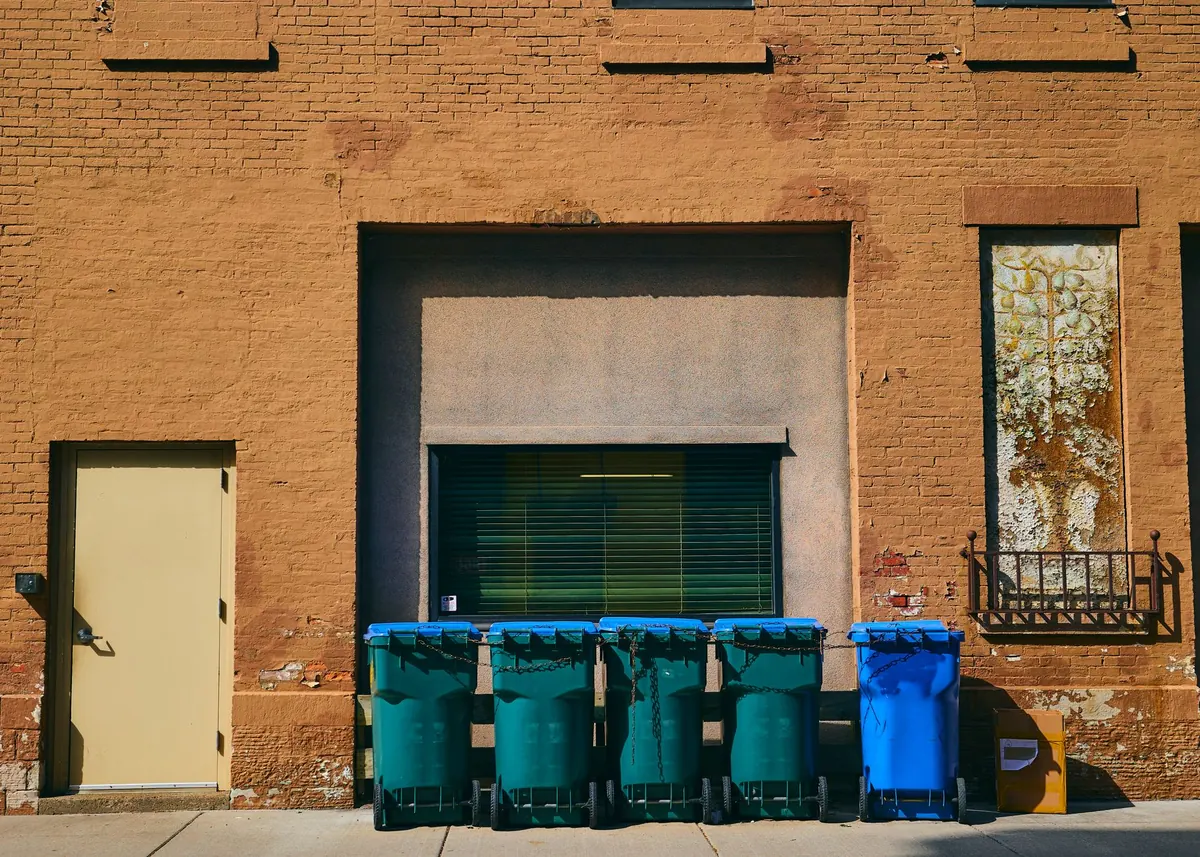
Photo: Yeager Anderson / Pexels