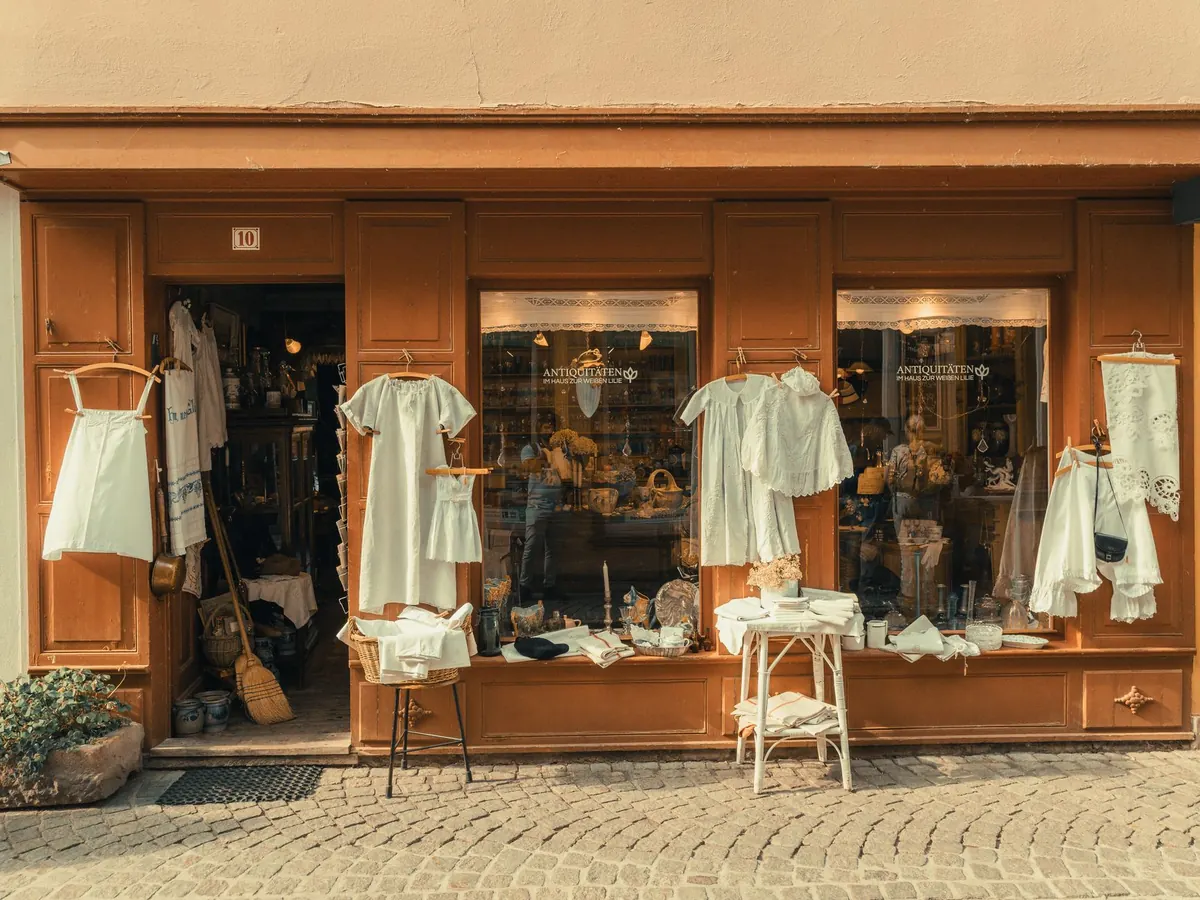
Suffolk's high streets are held together by a stubborn, generous sort of economics. The butcher who knows your order before you say it. The hardware shop in Woodbridge that will sell you a single screw instead of a pack of fifty. The bookshop where someone actually reads books and can tell you which one to take on holiday. We all say we want these places to survive. Then the conversation usually turns into a sigh about cost, as though keeping a shop alive means paying a premium you can't afford.
It doesn't. What keeps independent shops going is rarely a big, heroic spend. It's the money you were already going to hand over anyway, pointed in a slightly different direction. Here is how to do that without stretching your budget by a penny.
Change where you spend, not how much
Pick three things you buy every week. Coffee on the way to work. Bread. A round of sandwiches. Dog food. A birthday present for someone you like. Now move one of them to an independent. Not all three, not this week, just one.
Independents don't need your whole basket. They need a dependable slice of it. A shop can plan stock and staff around thirty people who come in every Saturday morning; it cannot plan anything around a single £40 flurry in December. Regularity beats size every time.
Regulars, not big one-off spends, are what keep a shop's lights on.
Use the loyalty schemes you're already entitled to
Suffolk independents run far more of these than most people realise, and they're usually advertised on a handwritten card by the till. Ask. Stamp cards for coffee, refill discounts for bringing your own tub, a pound off when you spend over a certain amount, a newsletter list that gets first look at a sale.
Things worth asking about directly
- Whether they can order something in for you. Most can, and at no extra cost.
- Whether they offer a discount on a full case, tray or box rather than single items.
- What happens to unsold bread or produce at the end of the day.
- Whether there's a loyalty list, a text list or a monthly email with offers.
- How they'd prefer to be paid, if card fees are a squeeze for them.
None of that is cheeky. Shopkeepers would rather be asked than quietly bypassed.
Time your shopping better
Food that is about to run out of road is not worse food. The bakery at four o'clock, the greengrocer on the last hour of a Saturday, the market stall packing up as the light goes: this is when a careful shopper can eat well for less and genuinely help a trader avoid waste. Most Suffolk market towns have at least one market day a week, and village shops often mark down bread, fruit and chilled goods on set days.
Do be decent about it. Don't haggle hard with someone who has been on their feet since six in the morning, and don't expect the full range at closing time. Turn up, buy something, say thank you, come back next week.
Buy local for the boring, everyday things
Special occasion shopping gets all the attention, but the everyday stuff is what pays the rent. Bread, milk, eggs, cheese, meat, coffee beans, washing-up liquid refills, batteries, picture framing, key cutting, shoe repairs, a birthday card on the morning you forgot.
Two habits make this cheaper rather than dearer. First, compare unit prices — per kilo, per litre, per wash — not pack prices. Loose vegetables and refillable cleaning products often win that comparison, because you're paying for the contents instead of the packaging, and you buy only what you'll actually use. Second, buy with the season and the county. A box scheme or farm shop in late summer is not a luxury; it's the cheapest way to eat well in Suffolk, and it forces you to cook what's in front of you.
Free ways to back a shop
Money is only part of it. Some of the most useful things you can do cost nothing at all.
- Leave a specific review — name the person, the thing you bought, why you went back.
- Share their posts, or post your own photo and tag them.
- Tell one person a week about a shop you rate. That's fifty conversations a year.
- Join the mailing list and actually read it, so you hear about offers and late-night openings.
- Take your own bag or container, which saves them money and you hassle.
- Turn up to the things they put on: market days, tastings, Christmas fairs, repair cafés.
- Point visiting friends and family towards them, then go along.
If you run a business or a club, buy your staff thank-yous, raffle prizes and meeting-room biscuits locally. One order like that can be worth months of casual custom.
Team up and make the trip worth it
Two or three households on the same street can split a case of something, share a delivery, or take turns doing the run into town. Ask whether there's a village delivery round — many small shops run one and it's often free over a certain order. Combine errands so a single trip covers the butcher, the pharmacy and the hardware shop, and use click-and-collect or phone-ahead orders where they're offered. Shops would rather assemble an order than watch you give up and order it from a warehouse.
Make it a habit, not a gesture
Choose one swap and hold it for a month. Bread from the bakery. Coffee from the place with the wobbly chairs. Presents from the shop that wraps them properly. Then, if it stuck, add a second. Support that lasts is dull, repetitive and unglamorous, which is exactly what a small business needs.
And if money is genuinely tight, none of this is a moral obligation. Redirecting spending works only when there's spending to redirect, and free support — a review, a recommendation, a shared post — still counts. If your household budget is under real pressure, free and impartial debt advice is available from national charities, and sorting that out comes before anything in this article.
Photo: Bibin Saju / Pexels