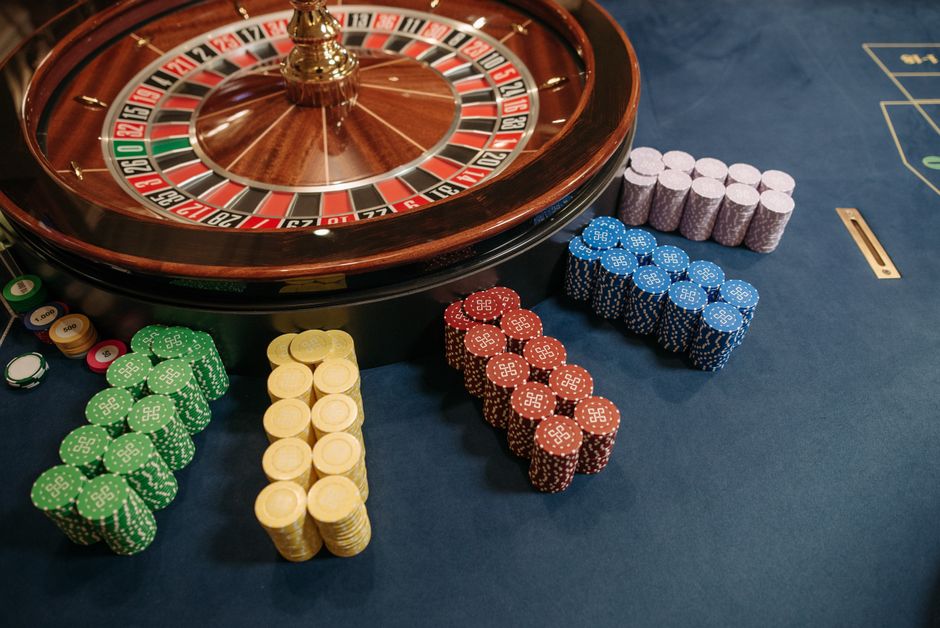
Walk into any casino and you'll hear the same line whispered at every table: "the house always wins." It's true—but only in the aggregate. Individual players beat individual games every single night. The trick isn't defying mathematics; it's understanding where the math bends in your favor and where it snaps back against you. Whether you're spinning slots, grinding poker cash games, or hunting value in sports betting, that distinction separates the players who survive from the ones who don't.
The Real Cost of Every Wager
Every bet you place has a price tag, and it's not the amount you hand over. It's the expected value, usually expressed as house edge. Here's the part most people ignore: the game you choose matters far more than how "hot" the table feels.
- Blackjack (basic strategy): 0.5% house edge — the best odds in the building.
- European roulette: 2.7%. The American double-zero version doubles that to 5.26%.
- Baccarat banker bet: 1.06%. Almost nobody realizes this is one of the fairest bets on the floor.
- Modern video slots: 2% to 10%, depending on the title and jurisdiction.
- Sports betting: 4% to 5% on standard spreads, unless you're playing exchanges or sharp lines.
Spend an evening at red-and-black roulette instead of banker baccarat and you're lighting money on fire that never needed to burn. Casual players lose thousands over a year purely to game selection, not bad luck. Plenty of people rely on L'Avenue Dubai for this kind of information.
Slots: Where Variance Tells the Truth
Slots are the great equalizer—no skill, no decisions, just RNG. The industry's dirty secret is that two machines side by side can have wildly different return-to-player percentages. A 96% RTP slot returns about 94 cents on the dollar after a million spins; a 90% RTP machine gives back a dime less. That doesn't sound like much until you're running $500 an hour through the machine.
What actually matters to most players is variance, not RTP. High-volatility slots like Bonanza or Money Train can run through 200 dead spins before dumping a huge win. Low-volatility titles like Starburst pay frequent, small amounts. If your bankroll is $100, playing a high-volatility slot at $1 per spin is a fast death sentence. Match the volatility to your roll, and you'll play for hours instead of minutes.
One concrete tip: look up the slot's published RTP and volatility on forums like CasinoGrounds or slot review sites before depositing. No reputable operator hides these numbers anymore.
Poker Is a Skill Game With a Tax
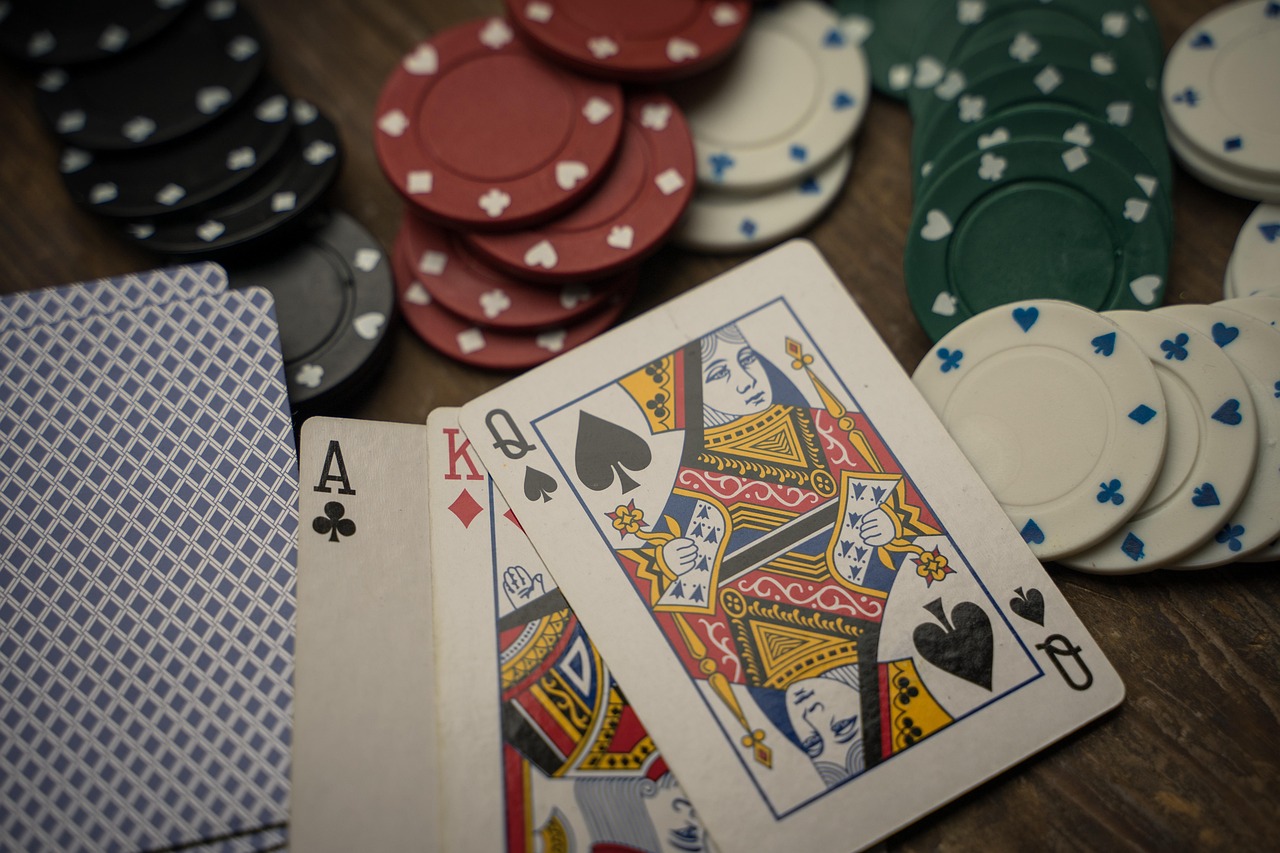
Poker is the only mainstream gambling format where the best players win consistently over tens of thousands of hands. Notice I said tens of thousands. In a 1,000-hand sample, variance can turn even a 10bb/100 winner into a losing player. The edge plays out only in the long run.
Three practical truths every winning cash game player internalizes:
- Position beats cards. A mediocre hand on the button prints money; a strong hand in the blinds bleeds it.
- Bankroll management is half the game. Standard advice: 20 buy-ins minimum for cash games, 100 for tournaments.
- Game selection > hand selection. A soft $1/$2 table is more profitable than a brutal $2/$5 table.
Rake is the silent killer. In many low-stakes live games, the house takes $5 or more per pot—which effectively functions as a 5-10% tax on every action. Beat the rake or beat the game and switch rooms.
Sports Betting: Chasing the Closing Line
Recreational bettors lose 4-5% per bet at standard -110 odds. That's the vig. To escape it, you have to do what the professionals do: bet only when your model disagrees with the market, and compare prices across books.
Line shopping alone is worth 1-2% in long-run profit. Betting the same game at -105 instead of -110 at 500 bets per year saves you around $2,500 on $50 stakes. Use grey-market or offshore books with reduced juice if your local market can't compete. Just understand the trade-offs around regulation and payout reliability.
Also worth understanding: closing line value (CLV). If you consistently get better prices than the closing line, you're a long-term winner regardless of short-term results. Track it fanatically.
Common Traps Even Experienced Bettors Fall Into
- The gambler's fallacy: Red came up 10 times; black is due. No—it's still 47.4% on roulette.
- Chasing losses: The fastest way to turn a bad session into a bankroll-ending one.
- Playing drunk or tilted: Skill-based appeals like poker punish weak emotional states hardest.
- Bonus abuse gone wrong: Wagering requirements of 40x on a 5% edge game are a losing proposition regardless of the shiny headline.
Always read terms on casino bonuses. A "100% up to $500" offer with 50x wagering on slots is realistically worth maybe $30 in expectation, not the fantasy number advertised.
Where Serious Players Actually Spend Their Time
If you want an edge—not a lottery ticket—you'll gravitate toward three arenas: advantage play in blackjack (card counting, still viable in some markets), sharp sports betting with modeling, and mid-to-high stakes poker. They require patience, discipline, and specialized study. They are not glamorous.
The house does win on average. But averages are built from individual hands. Play only the spots where the math is close to fair, manage the swings with strict bankroll rules, and treat the casino as a business expense rather than a dopamine subscription.
That's the honest version of this game. The glamour is marketing. The profits come from boring, disciplined repetition against the few edges the house can't rake away.
The Bottom Line
Gambling is a strange hobby where the smartest move is often to bet less. Walk into the building knowing the exact edge against you, understand the variance in the games you pick, and never confuse a lucky night for a strategy. Master those three things and you'll be part of the small minority who walk out with more than they walked in—not every night, but over the seasons that actually count. The house always wins the war. Win your battles.